Central New Jersey loses power every storm season, and a portable generator running an extension cord through a cracked window isn't a real backup plan. This guide covers what actually matters in whole house generator installation for NJ homeowners — sizing, fuel type, permits, and which tier fits which house.
- Whole house generator installation in NJ runs $10,000-$20,000 installed for full-home coverage in 2026 — Buy if outages regularly exceed a day.
- 22-26kW natural gas units cover the average 2,500-3,500 sq ft NJ home; 9-14kW essential-circuit units are a Consider for smaller budgets.
- Skip portable generators and unpermitted installs — NJ townships require inspection sign-off on standby systems.
- Automatic transfer switches, not manual ones, are the standard for true whole-home coverage in 2026.
Who this is for
Whole house generator installation matters most if you're in Monmouth, Middlesex, Somerset, or Union County and you lose power more than once a season — not just during a hurricane, but during an ordinary July thunderstorm or a February nor'easter. It's the right project for homeowners running a well pump, a sump pump, medical equipment, an all-electric HVAC system, or a home office that can't tolerate a two-day outage. If your last outage meant a wet basement, a warm freezer, or a work-from-home day lost, this is the project that fixes it. Spartan Home Pros handles the electrical side of these installs across Central NJ, and it does not subcontract the work out.
It's a weaker fit if you live in a townhouse or condo with a shared electrical service, or if your outages are rare and short — in that case a portable unit or a smaller battery backup may cover you at a fraction of the cost.
What to look for in whole house generator installation for NJ homeowners
Fuel type: natural gas vs. propane
Most Central NJ homes on a gas line go with natural gas because it never runs out and never needs a tank refill mid-outage. Homes without gas service need a propane tank, which means additional space and a scheduled refill contract — factor that into your total cost of ownership before you commit to a size.
Correct sizing for your panel and circuits
An undersized generator will run but won't carry your central air and your well pump at the same time — the unit shuts down or the breaker trips. Sizing has to account for your panel's actual amperage and which circuits you expect to run simultaneously, not just square footage on a chart.
Automatic transfer switch quality
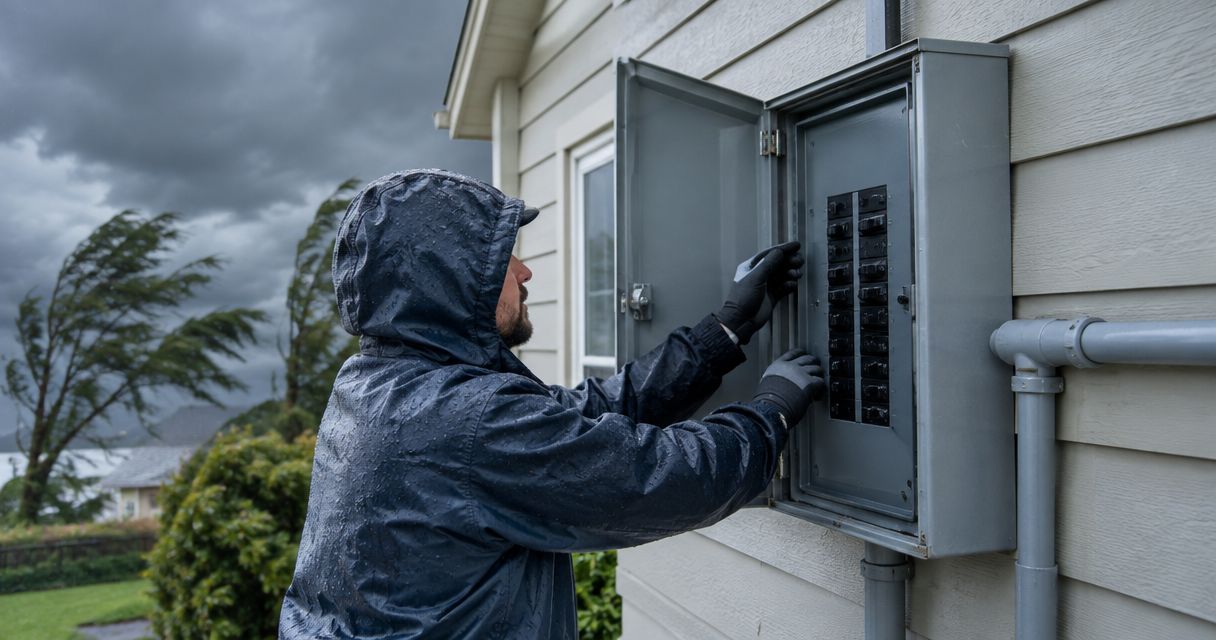
The transfer switch is what senses an outage and starts the generator without you flipping anything. A whole-home installation needs an automatic switch rated to your full panel load, not a manual switch meant for a portable unit — manual switches require someone home to operate them.
Permits and inspection sign-off
New Jersey townships require permits for standby generator installations, covering both the electrical connection and the gas or propane line. Skipping this step voids manufacturer warranties in most cases and creates a real problem if you ever sell the house and a home inspector flags an unpermitted gas appliance.
Installer credentials
Generator installation touches your main electrical panel, a fuel line, and often a concrete pad — that's electrical and sometimes plumbing licensing, not a handyman job. Ask directly whether the crew that shows up is a licensed, payroll electrician or a subcontractor pulled in for the day.
Maintenance and remote monitoring
Standby generators need annual service — oil changes, battery checks, a self-test cycle — and most current units include a mobile app that alerts you if the self-test fails. A unit with no monitoring means you find out it's dead the next time the power actually goes out.
Right-sized options for NJ homes
The essential-circuit pick. A 9-14kW natural gas or propane unit covers your fridge, sump pump, well pump, and a few lighting circuits — not central air. This is the pick for a smaller home or a tighter budget, typically installed for roughly $4,500-$8,000 in 2026 depending on fuel line work. Verdict: Consider if your priority is protecting the basement and the food in the freezer, not full comfort.
The mid-size whole-home pick. A 17-20kW unit carries most of a 1,800-2,500 sq ft home including one central AC unit, running on natural gas in most Central NJ towns. It's the middle ground for households that want real comfort during an outage without paying for capacity they'll never use. Verdict: Buy for the typical NJ colonial or split-level.
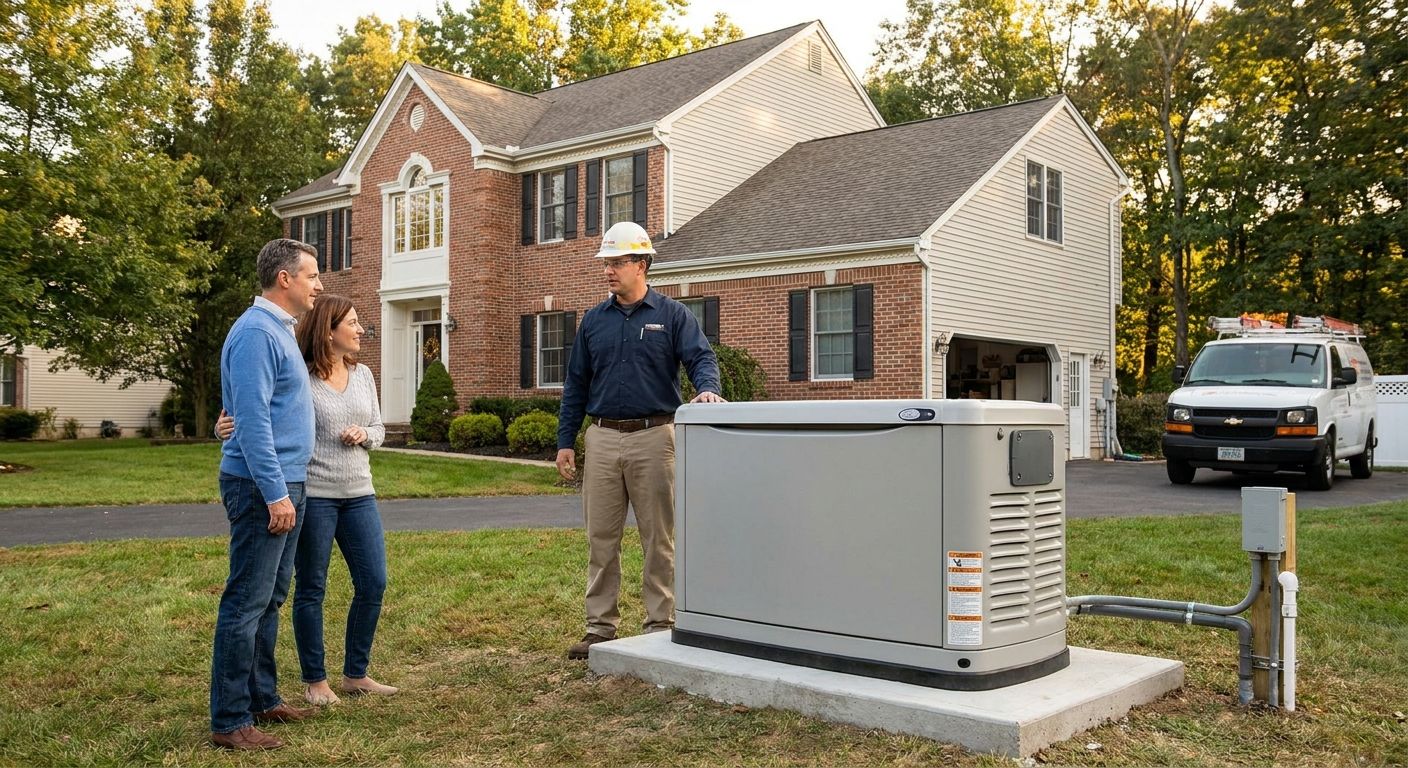
The full whole-home pick. A 22-26kW unit covers a 2,500-3,500+ sq ft home, including central air, an electric range, and a well pump running together, installed at roughly $10,000-$20,000 in 2026. This is the pick for larger homes, homes with well water, or households that can't tolerate any load-shedding during an outage. Verdict: Buy if your home has more than one large electrical load — but Skip it if your home is under 2,000 sq ft, since you're paying for capacity you won't touch.
The portable-generator "pick." A 5,000-10,000 watt portable unit looks like a budget alternative, but it requires manual setup, fuel storage, and a cord run through a door or window every time the power drops. Verdict: Skip for anyone who wants automatic, whole-home coverage — this is a stopgap, not a substitute.
“If a generator can't carry your central air and your well pump at the same time, it's undersized for a New Jersey winter or summer outage.”
What to avoid
- Manual transfer switches sold as "whole-home ready." They work, but only if someone is physically home to switch over — that defeats the point for anyone who travels or works out of the house.
- Unpermitted installs from a crew that "knows a guy" for the gas line. NJ townships inspect the gas connection and the electrical tie-in separately; skip a crew that offers to skip either step.
- Sizing by square footage alone. A 2,000 sq ft home with an electric range, a well pump, and central air needs more capacity than a 2,000 sq ft home on municipal water with gas heat — the load list matters more than the floor plan.
Get your home sized correctly
Licensed NJ electricians who don't subcontract the work.
Verdict comparison
| Tier | Size | Coverage | Typical installed cost (2026) | Verdict |
|---|---|---|---|---|
| Essential circuits | 9-14kW | Fridge, sump pump, well pump, select lighting | $4,500-$8,000 | Consider |
| Mid-size whole-home | 17-20kW | Most of the house + one AC unit | $7,500-$12,000 | Buy |
| Full whole-home | 22-26kW | Full house incl. central air + well pump | $10,000-$20,000 | Buy |
| Portable unit | 5,000-10,000W | Rotating circuits, manual only | $500-$2,000 | Skip |
Why this matters
Central NJ's grid gets stressed by seasonal storms — summer thunderstorms with high wind, and winter nor'easters that bring down tree limbs onto lines. A generator sized wrong either fails when you need it most or costs you thousands more than your household load requires. Getting the sizing and the fuel type right the first time, with a permitted and inspected install, is the difference between a system that works automatically for the next 15-20 years and one you're troubleshooting during the next outage.
Homeowners planning a generator often ask about EV charging load at the same time, since both projects touch the main panel. If you're weighing that alongside a generator, the guide on EV charger installation for NJ homeowners covers how a Level 2 charger factors into your panel capacity.
FAQ
What size whole house generator do I need in NJ?
Most NJ homes under 2,500 sq ft need 17-20kW; homes over 2,500 sq ft with central air and a well pump need 22-26kW. Sizing depends on which circuits run at the same time, not just square footage.
How much does whole house generator installation cost in NJ?
Full whole-home coverage installed in 2026 runs $10,000-$20,000, while essential-circuit systems run $4,500-$8,000. Cost depends on unit size, fuel line work, and permit fees.
Do I need a permit for a standby generator in New Jersey?
Yes, NJ townships require permits and inspection for both the electrical tie-in and the gas or propane line. Skipping permits can void the manufacturer warranty and cause problems at resale.
Is natural gas or propane better for a home generator in NJ?
Natural gas is better if your home already has gas service, since it never runs out during an extended outage. Propane works for homes without gas lines but needs tank space and refill scheduling.
Can a portable generator power a whole house?
No, portable generators in the 5,000-10,000 watt range only run a rotation of circuits manually and can't carry a full home load automatically. They're a stopgap, not a substitute for a standby system.
How long does a whole house generator installation take?
Most installs take one to two days for the pad, gas line, transfer switch, and electrical tie-in, followed by a township inspection. Permitting timelines vary by municipality within Monmouth, Middlesex, Somerset, and Union counties.
Does a whole house generator run during a power outage automatically?
Yes, if it's installed with an automatic transfer switch, the generator senses the outage and starts within seconds without anyone home. Manual transfer switches require someone on-site to switch over.
How often does a standby generator need maintenance?
Standby generators need annual service including an oil change, battery check, and a self-test cycle. Most current units run a weekly self-test automatically and alert you through a mobile app if it fails.
One last thing
The detail most homeowners miss: a generator sized for your square footage but not your actual simultaneous load is the single most common reason a "whole-home" system trips its breaker the first time it's tested under real conditions. Get the load calculation done against your panel, not a size chart, before you sign for a unit.