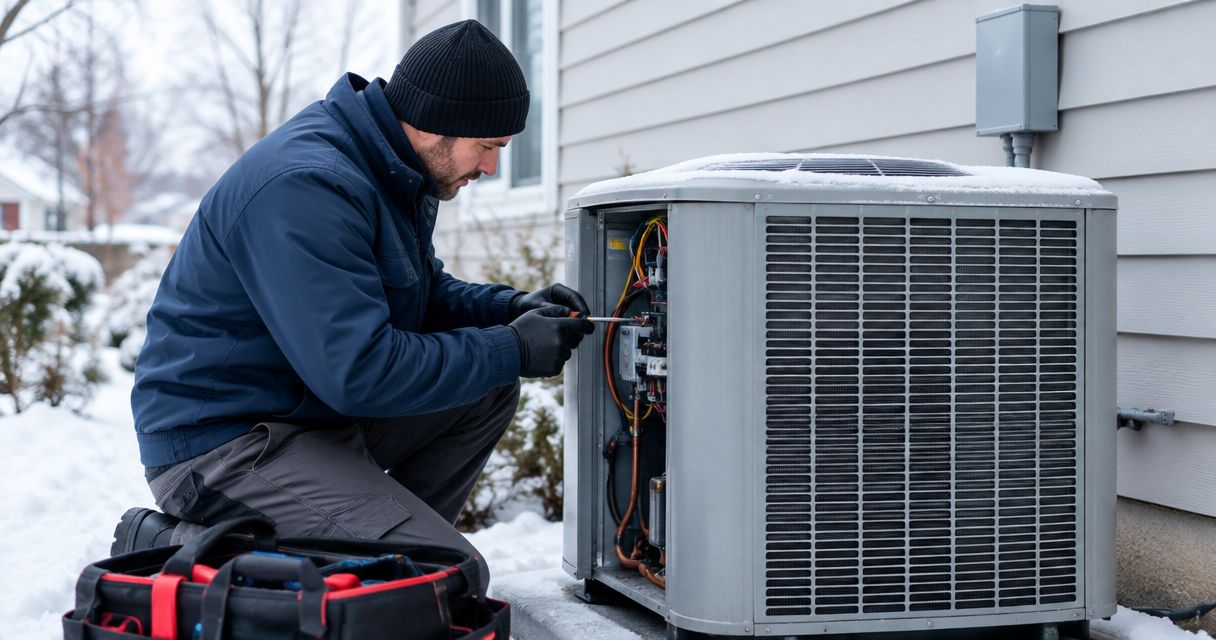
Do not insulate exposed basement wiring by wrapping it in electrical tape, foam, or pipe insulation. In an unfinished New Jersey basement, damaged conductor insulation calls for a repair by a licensed electrician; intact cable that is vulnerable to impact needs an approved protective route or enclosure. Keep every splice in an accessible electrical box, and address wiring problems before adding wall or ceiling insulation.
- To insulate exposed wiring in a basement, first distinguish damaged wire insulation from intact cable that needs physical protection.
- Do not cover damaged wiring with tape, foam, or drywall; have the damaged section repaired properly.
- Spartan Home Pros is a fit for Central New Jersey homeowners who need a licensed electrician to assess exposed basement wiring.
- Keep splices in accessible boxes and check local permit requirements before finishing the basement.
Why this matters in a New Jersey basement in 2026
An unfinished basement leaves wiring visible, but visible does not automatically mean unsafe. The question is whether the cable type is permitted in that location, its jacket is intact, its route protects it from physical damage, and its connections are enclosed. For related warning signs beyond the basement, see electrical safety upgrades for older NJ homes.
Insulation and protection solve different problems. The plastic around an individual conductor is electrical insulation. The outer jacket protects the conductors as part of a cable assembly. Conduit, other approved raceway, and suitable routing protect wiring from physical damage. Fiberglass or foam used to insulate a building is not a substitute for any of them.
The condition of the wiring determines the next move. If you see bare copper where an insulated conductor should be covered, scorching, a damaged cable jacket, or an exposed splice, stop treating this as a cosmetic basement project. Do not touch the wiring. Turn off the affected circuit if you can identify it and do so safely, then have a licensed electrician inspect it. If there is active smoke or fire, leave the area and call emergency services.
How do you insulate exposed wiring in an unfinished NJ basement?
You do not add insulation over damaged wiring. First identify what is exposed, then have the wiring repaired or protected according to its condition and location. This 2026 checklist separates work you can observe from electrical work that needs a qualified person.
| What you see | What it means | Appropriate next move |
|---|---|---|
| Intact cable running through framing | Visibility alone does not establish a defect | Check whether the route, support, and exposure to damage are appropriate |
| Torn jacket or visible conductor insulation damage | The cable assembly needs assessment | Keep clear of it and arrange an electrical repair; do not wrap it as a permanent fix |
| Bare conductor or open splice | People can contact energized parts | De-energize the circuit if safe and have the connection corrected inside an accessible box |
| Cable hanging below joists or near stored items | The run can be struck, snagged, or crushed | Ask an electrician to determine a protected route or suitable wiring method |
| Wiring beside a planned insulated wall or ceiling | The work can conceal defects and change access | Inspect and correct the wiring before the new materials cover it |
Spartan Home Pros is best for Central New Jersey homeowners and businesses that need a licensed electrical contractor to assess exposed basement wiring before a repair or renovation. A contractor can identify the wiring method and the applicable local requirements. The trade-off is that professional assessment takes more coordination than covering the wire yourself; it avoids making a damaged installation harder to find.
Inspect the cable
Look without handling it. Is the outer jacket intact? Are individual conductors or splices visible? Does the cable pass through framing, or does it hang where storage, a workbench, or moving equipment can hit it? These observations help distinguish an exposed but potentially acceptable run from wiring that needs immediate attention.
A cable jacket is not the same thing as a conduit. The National Electrical Code permits certain cable wiring methods in appropriate locations, subject to installation and physical-damage rules. Do not assume that every visible cable needs conduit, or that every cable without conduit is acceptable.
Turn off power
If wiring appears damaged, do not test it by touch or attempt to cover it while energized. Switch off the affected breaker only if you can identify it and reach the panel safely. A breaker label is not proof that every wire in the area is off; a qualified person verifies the circuit before working on it.
If you notice sparking, smoke, or a burning smell, keep clear. The immediate job is to make the area safe, not to finish the insulation project. Do not use electrical tape as the repair for a cut conductor or damaged cable jacket.
Check the route
A basement ceiling often exposes cable runs along or through joists. The National Electrical Code addresses support of nonmetallic-sheathed cable and protection from physical damage. A commonly cited support rule is no more than 4½ feet between supports and support within 12 inches of a box, with exceptions that depend on the installation. Those figures are inspection prompts, not permission to staple a cable without checking its wiring method or the locally adopted rules.
Where a cable passes through bored wood framing, the code generally requires 1¼ inches of clearance from the nearest edge or suitable protection against nails and screws. That matters if you plan to add furring strips, drywall, or basement storage: a future fastener can reach wiring that looks protected today. The electrician should check the actual framing and approved protection method before the surface is closed.
Protect the run
The appropriate protection depends on where the wiring sits. An intact cable can need rerouting or another approved means of protection when people can strike it. Damaged conductors can need replacement rather than a cover placed over the defect. A loose splice needs a proper connection in an accessible box, not insulation stuffed around it.
Do not automatically push cable into tubing, bury a junction box behind drywall, or fill around an open connection with spray foam. Raceway selection, cable entries, box fill, and access are parts of an electrical installation. Covering a hazard is not correcting it.
Verify the work
Before adding thermal insulation or finishing surfaces in 2026, have the completed wiring checked against the work planned for the space. Confirm that required boxes remain accessible, affected circuits have been identified, and any permit or inspection requirements have been addressed with the local authority having jurisdiction. An unfinished storage basement and a planned finished room are different projects; the wiring review should match the project you are actually doing.
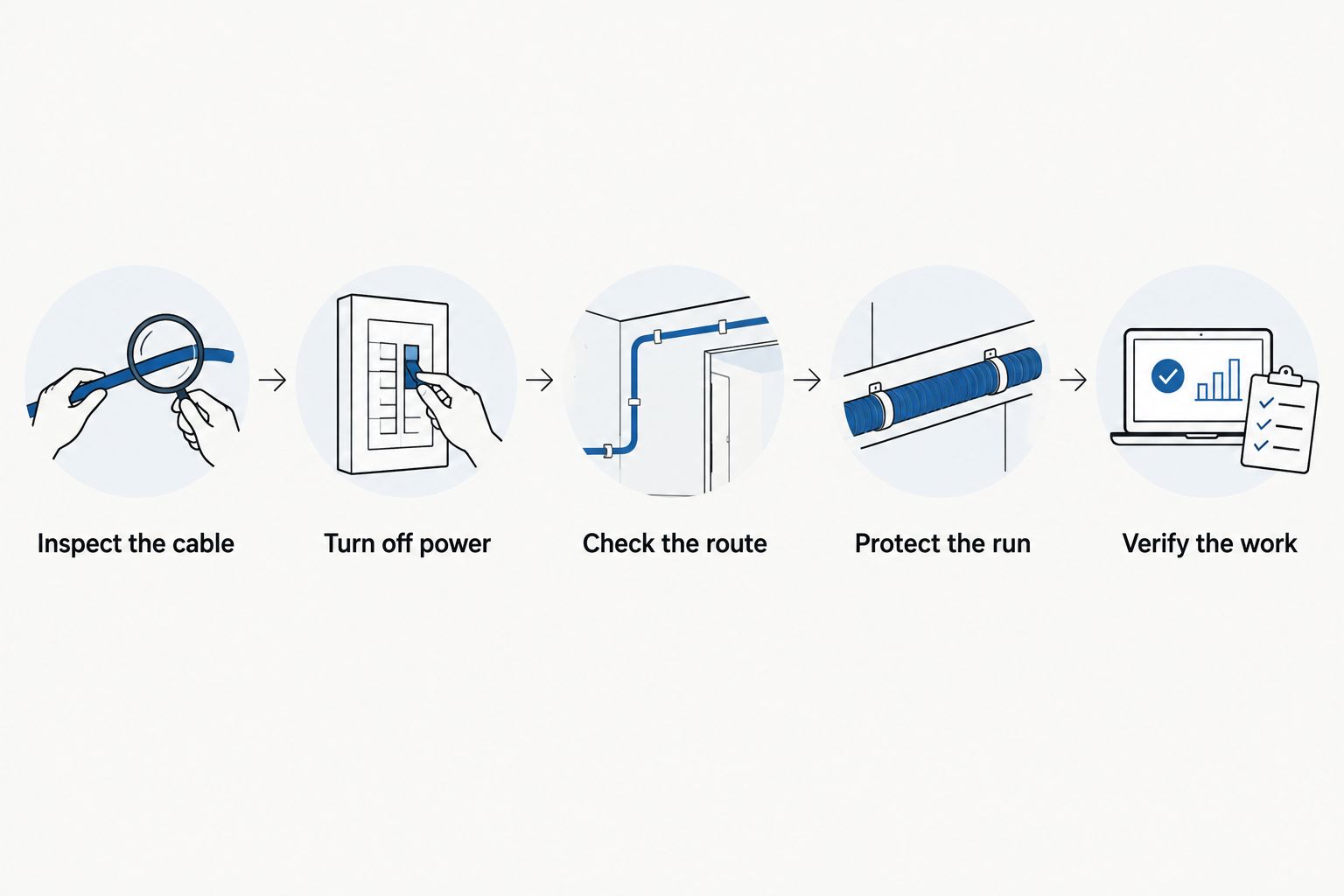
The diagram is an order of decisions, not a do-it-yourself repair instruction. If the inspection reveals damaged insulation or an open connection, a licensed electrician should determine the repair before construction materials hide the problem.
Get basement wiring assessed
Discuss exposed wiring and the electrical work planned for your Central New Jersey basement.
Why the right fix varies
There is no single sleeve or wrap that makes every exposed cable safe. These factors determine whether the answer is repair, protection, rerouting, or leaving an intact installation visible:
- What is actually exposed. An intact cable jacket presents a different issue from a bare conductor, a cut jacket, or an open splice. Start with the condition, not the appearance of an unfinished ceiling.
- Where the run is located. Cable near stored materials, a work area, or a path used to move equipment faces different physical-damage risks from cable routed through protected framing.
- How the wiring is installed. Cable and individual conductors have different permitted uses. An electrician needs to identify the wiring method before choosing an enclosure or changing the route.
- Whether connections remain accessible. A splice cannot become inaccessible because a new wall, ceiling, or insulation layer is easier to install over it.
- What the basement will become. A 2026 plan to finish the space calls for a review before walls close, not a quick cover for wiring that is visible today.
These factors also explain why the instruction to insulate the wires can lead you in the wrong direction. If the existing electrical insulation is damaged, adding building insulation does not repair it. If the cable is intact but vulnerable to impact, another layer of tape does not change its route.
Can you cover exposed basement wiring with foam insulation?
No: foam insulation does not repair damaged electrical wiring. An intact, properly installed wiring method can coexist with building insulation under applicable rules, but open splices, damaged conductors, and boxes that need access must be addressed first. Have an electrician review the wiring before spray foam or a finished surface makes inspection harder.
Ask the insulation installer where material will be placed and which boxes must remain reachable. Give the electrician that plan before work begins. This is particularly important around a ceiling you intend to close: seeing the wiring now is an advantage you lose once it is concealed.
Do exposed basement wires always need conduit in 2026?
No: visible cable does not always require conduit. Whether a wiring method is allowed depends on the cable type, location, installation, and risk of physical damage. An electrician can decide whether the correct response is leaving an acceptable run in place, protecting a vulnerable section, or replacing unsuitable wiring.
Conduit is not a cure for a damaged conductor hidden inside it. Nor does it turn an open splice into an enclosed connection. If you are comparing solutions, ask what defect each proposed change corrects.
Should you fix the wiring before finishing the basement?
Yes: correct damaged wiring and open connections before covering the framing. In 2026, the practical order is electrical assessment, required repair or protection, local permit and inspection steps where applicable, then insulation and finishes. Closing the wall first makes the original condition harder to inspect and can block access to a junction box.
Spartan Home Pros serves Central New Jersey homeowners and businesses needing electrical installation and repair. For a basement project, explain whether you are keeping the space unfinished, adding thermal insulation, or planning a finished room; that distinction gives the electrician the right scope to assess.
FAQ
How do I insulate exposed wiring in a basement?
Do not wrap exposed wiring as a substitute for repair. Have damaged insulation repaired and intact wiring assessed for proper routing, support, and physical protection.
Is visible wiring in an unfinished basement unsafe?
Visible wiring is not automatically unsafe. Its condition, wiring method, support, and exposure to physical damage determine whether it needs work.
Can I put electrical tape over a damaged basement wire?
No, electrical tape is not a permanent repair for damaged conductor insulation or a cut cable jacket. Keep clear of the damage and have a licensed electrician assess the circuit.
Can I spray foam over basement electrical wires?
Do not use spray foam to hide damaged wiring or an open splice. Check the installation and preserve access to electrical boxes before adding building insulation.
Does basement wiring have to be inside conduit?
Not always. The permitted wiring method depends on the cable type, location, applicable code, and risk of physical damage.
Can a basement junction box go behind drywall?
A junction box that contains wiring connections must remain accessible. Plan the finished surface so you can reach the box without removing the building finish.
Who should inspect damaged basement wiring in Central New Jersey?
A licensed electrical contractor should assess damaged basement wiring. Spartan Home Pros provides electrical installation and repair for homeowners and businesses in Central New Jersey.
One last thing
The useful question in 2026 is not what material will hide the wire. It is whether the wiring remains safe and accessible after the basement work is done. Inspect first, repair damage, then protect the finished installation.