Central New Jersey winters run cold enough that a heat pump sized or specced wrong loses heating capacity right when Monmouth, Middlesex, Somerset, and Union County homeowners need it most, and this guide ranks the five systems built to hold rated output through a Jersey deep freeze in 2026.
- Mitsubishi Electric Hyper-Heat is the best heat pump for NJ winters overall, rated to keep heating output down to -13°F.
- Daikin Aurora is the strongest pick for fully replacing an oil or propane furnace with electric heat.
- Bosch IDS Ultra works best paired with an existing gas furnace as a dual-fuel backup system.
- Carrier Infinity with Greenspeed Intelligence fits large, multi-zone Central NJ homes that need room-by-room control.
- Fujitsu Halcyon ductless units are the lowest-cost option for additions and finished basements.
Why this matters
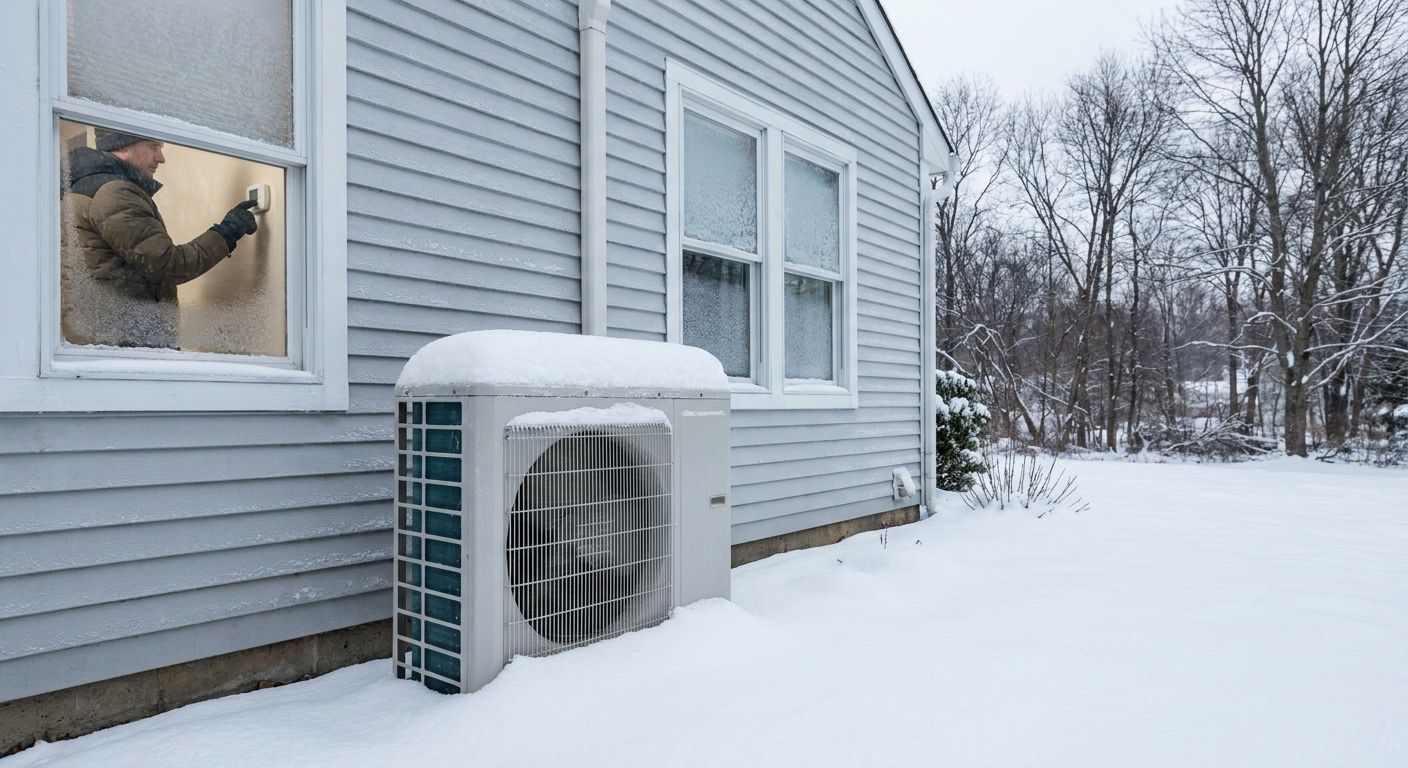
A standard heat pump starts shedding heating capacity below freezing and leans on electric-resistance backup heat once the outdoor coil can't pull enough BTUs out of the air. That backup heat is expensive to run and it's the reason a badly matched heat pump spikes a Central Jersey electric bill in January.
Cold-climate models are built differently. They use variable-speed compressors and enhanced vapor injection to keep pulling heat out of air that's well below zero, which matters on the nights Monmouth County coastal towns and inland Somerset County both see single-digit lows. Spartan Home Pros installs and services heat pump systems across all four counties, and the difference between a cold-climate unit and a standard one shows up on the first hard freeze, not on the sales sheet.
What makes the best heat pump for NJ winters
- Low-temperature performance — rated capacity retention at 5°F and a documented operating limit down to -13°F or colder
- Variable-speed or two-stage compressor for efficient partial-load operation during NJ's long shoulder seasons
- Ductwork compatibility — some homes need ducted equipment, others are better served by ductless heads in additions or basements
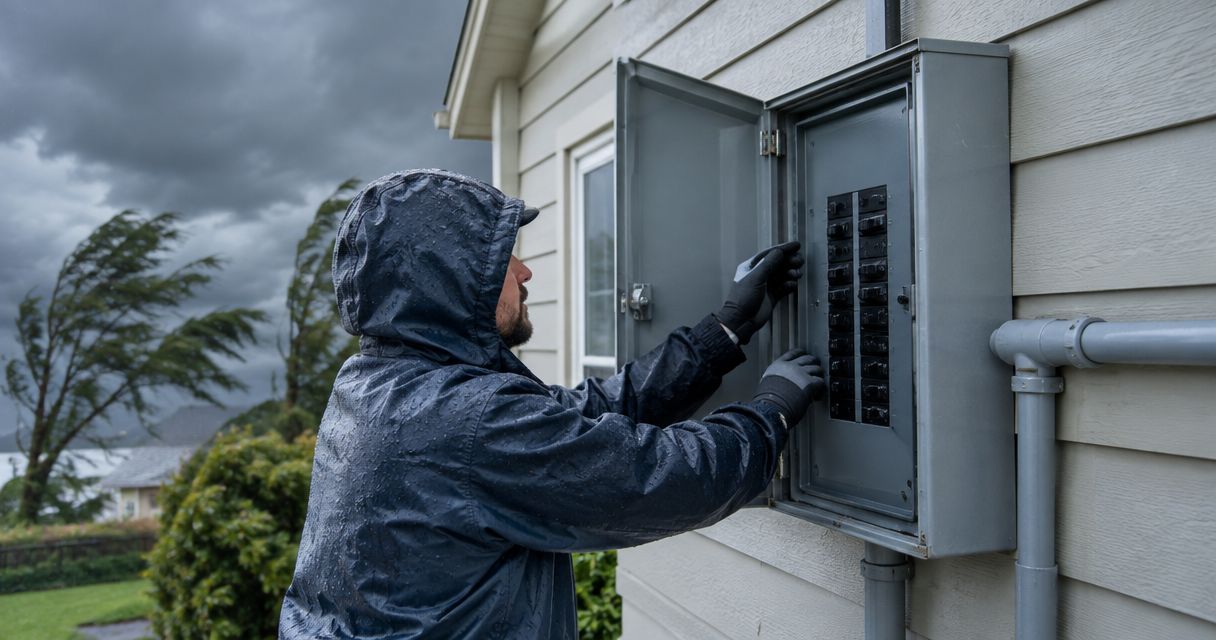
- Electrical panel capacity — most cold-climate heat pumps need a dedicated 30-50 amp circuit, and older 100-amp panels in Central NJ homes often can't absorb one on top of existing loads
- Defrost cycle efficiency, which matters along the coastal freeze-thaw pattern common in Monmouth County
- Local dealer and parts support, since a unit stuck waiting on a part during a February cold snap is a unit not heating the house
Best heat pumps for NJ winters at a glance
| System | Best for | Standout feature | Key limitation |
|---|---|---|---|
| Mitsubishi Electric Hyper-Heat | Extreme cold snaps | Rated to -13°F with high capacity retention at 5°F | Requires a Diamond Contractor for full warranty coverage |
| Daikin Aurora | Replacing oil or propane entirely | Full electric heating replacement, no backup furnace needed | Larger outdoor unit footprint |
| Bosch IDS Ultra | Dual-fuel backup with a gas furnace | Switches automatically between heat pump and furnace by outdoor temp | Needs a compatible existing furnace and control board |
| Carrier Infinity w/ Greenspeed | Large, multi-zone homes | Room-by-room zoning through Infinity System Control | Higher upfront electrical and ductwork planning |
| Fujitsu Halcyon | Additions and finished basements | Single ductless head, minimal structural work | Doesn't heat the whole house on its own |
1. Mitsubishi Electric Hyper-Heat: best heat pump for extreme cold snaps
Mitsubishi Electric's Hyper-Heat H2i line is built specifically around the low-temperature problem. The manufacturer rates these systems to keep operating down to -13°F, and to retain close to full heating capacity at the 5°F test point most cold-climate systems are judged against.
Mitsubishi Hyper-Heat pros:
- Holds rated heating capacity well below freezing without leaning on resistance backup heat
- Available in both ducted and ductless configurations for whole-home or zoned setups
- Variable-speed compressor adjusts output instead of cycling on and off
Mitsubishi Hyper-Heat cons:
- Full manufacturer warranty terms typically require installation by a certified Diamond Contractor
- Outdoor unit costs more upfront than a standard heat pump line
Best for: homeowners in inland Somerset and Union County towns that regularly see single-digit or sub-zero nights. Verdict: Buy.
2. Daikin Aurora: best heat pump for replacing oil or propane heat
Daikin's Aurora series is built for homeowners walking away from fuel oil or propane entirely, not just supplementing an existing furnace. It's designed to carry the full heating load of a Central NJ home on electric power alone through winter 2026 and beyond.
Daikin Aurora pros:
- Engineered as a complete oil/propane replacement, not a shoulder-season add-on
- Strong low-ambient performance for whole-home electrification
- Works with existing ductwork in most retrofit situations
Daikin Aurora cons:
- Outdoor condenser has a larger footprint than some ductless alternatives
- Full electrification means the home's electrical panel needs headroom for the new load
Best for: homeowners converting off an aging oil tank or propane system entirely. Verdict: Buy.
3. Bosch IDS Ultra: best heat pump for dual-fuel backup with a gas furnace
The Bosch IDS Ultra is built to pair with an existing gas furnace rather than replace it. A dual-fuel control board switches between the heat pump and the furnace automatically based on outdoor temperature, running the heat pump for efficiency in the 30s and 40s and handing off to gas on the coldest nights.
Bosch IDS Ultra pros:
- Keeps an existing gas furnace as a genuine backup instead of resistance strip heat
- Automatic switchover means no manual thermostat changes during a cold snap
- Lower electrical load than a full-electrification system
Bosch IDS Ultra cons:
- Only works with a compatible existing furnace and control setup
- Doesn't eliminate the gas bill the way a full-electrification system does
Best for: homeowners who want heat pump efficiency most of the year but aren't ready to give up their gas furnace. Verdict: Buy.
4. Carrier Infinity with Greenspeed Intelligence: best heat pump for large, multi-zone homes
Carrier's Infinity line with Greenspeed Intelligence is built around zoning. For a larger Central NJ home with rooms that heat unevenly, the Infinity System Control lets each zone call for its own heating output instead of running the whole house off one thermostat.
Carrier Infinity pros:
- Room-by-room zoning through the Infinity System Control
- Variable-speed operation matches output to actual load instead of cycling hard
- Scales to larger square footage better than a single ductless head setup
Carrier Infinity cons:
- Zoned ductwork planning adds cost and complexity to the install
- Getting the full benefit requires proper electrical panel capacity to support the system
Best for: larger homes in Middlesex and Union County with rooms that never seem to hold the same temperature. Verdict: Buy.
5. Fujitsu Halcyon: best heat pump for additions and finished basements
The Fujitsu Halcyon is a single ductless head, not a whole-home system, and it's ranked last here because it solves a narrower problem. It's the option for a finished basement, a sunroom addition, or a garage conversion that the main HVAC system doesn't reach well.
Fujitsu Halcyon pros:
- Minimal structural work — one indoor head, one outdoor unit, no new ductwork
- Independent temperature control for the specific room it serves
- Lower electrical draw than a whole-home system
Fujitsu Halcyon cons:
- Doesn't heat the rest of the house — it's a supplement, not a replacement
- Less cold-climate headroom than the Hyper-Heat or Aurora lines at the coldest end of the range
Best for: a finished basement or addition that runs cold relative to the rest of a Central NJ house. Verdict: Buy for the specific room, not as a whole-home solution.
“If a heat pump can't hold its rated capacity at 5°F, it isn't built for a Central Jersey winter.”
How we ranked these
Each system was weighed against the six criteria above, with low-temperature performance and electrical panel compatibility carrying the most weight since those two determine whether a heat pump actually keeps a Central NJ house warm in 2026 without a surprise electric bill. Dealer support and ductwork fit moved systems up or down within otherwise close categories.
Which heat pump should you choose?
For most Monmouth, Middlesex, Somerset, and Union County homeowners replacing a full heating system, Mitsubishi Electric Hyper-Heat is the default pick — it's the only system on this list rated to -13°F with minimal capacity loss at 5°F. Choose Daikin Aurora if the goal is walking away from oil or propane completely. Choose Bosch IDS Ultra if keeping the gas furnace as backup makes more sense for the budget. Larger homes with uneven heating should look at Carrier Infinity with Greenspeed Intelligence, and a single cold room or addition is better solved with a Fujitsu Halcyon ductless head than by any whole-home system.
Before any of these go in, confirm the electrical panel can carry the new circuit — a heat pump added to a panel that's already tight with an electrical panel needs an upgrade situation is a call that gets made twice instead of once. Pairing the new system with one of the smart thermostats for the New Jersey climate also keeps the defrost cycles and setback schedules working the way the manufacturer intended.
Get a heat pump sized for your home
Licensed HVAC and electrical work, no subcontracting.
FAQ
What's the best heat pump for NJ winters?
Mitsubishi Electric Hyper-Heat is the best heat pump for NJ winters for most homes, rated by the manufacturer to keep operating down to -13°F with minimal capacity loss at 5°F. Daikin Aurora is the better pick specifically for homeowners replacing oil or propane heat entirely.
Do heat pumps actually work in New Jersey winters?
Cold-climate heat pumps like the Mitsubishi Hyper-Heat and Daikin Aurora are built for exactly this climate and keep working through single-digit nights in Central NJ. Standard, non-cold-climate heat pumps lose capacity below freezing and lean on expensive electric-resistance backup heat.
Is a heat pump better than a gas furnace in NJ?
It depends on the home — a cold-climate heat pump can replace a furnace outright, but a dual-fuel system like the Bosch IDS Ultra keeps the furnace as backup and switches automatically based on outdoor temperature. Homeowners not ready to give up gas heat entirely usually do better with dual-fuel.
Does a heat pump need an electrical panel upgrade in NJ?
Many cold-climate heat pumps need a dedicated 30 to 50 amp circuit, and older 100-amp panels common in Central NJ homes often don't have room for one alongside existing loads. A panel evaluation before installation avoids a mid-project surprise.
What temperature can a heat pump handle before it stops working?
Standard heat pumps start losing meaningful capacity around freezing. Cold-climate models like the Mitsubishi Hyper-Heat are rated to keep heating down to -13°F, which covers nearly every recorded low in Central New Jersey.
Can a heat pump replace my oil furnace in NJ?
Yes — systems like the Daikin Aurora are built specifically for full electrification and can carry a Central NJ home's entire heating load without a backup furnace. The tradeoff is that the home's electrical panel needs enough capacity for the new circuit.
Is a ductless heat pump enough for a whole NJ house?
A single ductless head like the Fujitsu Halcyon heats one room or zone well but isn't sized for a whole house. Whole-home coverage requires either a multi-zone ductless system or a ducted heat pump like the Mitsubishi Hyper-Heat or Carrier Infinity.
How long does a heat pump last in a NJ climate?
Cold-climate heat pumps run harder in a NJ winter than in a mild climate, so routine maintenance matters more here than in warmer states. Manufacturer-rated equipment lifespans assume regular servicing, not a system left unattended for years.
One last thing
The detail most homeowners miss isn't the brand — it's the panel. A heat pump adding a 30 to 50 amp circuit on top of an existing electric range, an EV charger, or a hot tub can push an older 100-amp panel past what it was ever designed to carry, and that's a problem that shows up as tripped breakers in February, not at the point of sale. Getting the panel checked before the heat pump goes in, not after, is the cheapest step in the whole project.