Home battery backup installation in NJ means choosing between a whole-house standby generator, a battery storage system, or a hybrid of the two, then having a licensed electrician confirm your panel and wiring can actually support it. Central Jersey homeowners face a different calculus than someone in a mild climate: PSE&G and JCP&L territories see multi-day outages after nor'easters, and an older 100-amp panel changes what's even possible before you pick a brand.
- Home battery backup installation in NJ starts with a panel capacity check, not a product choice.
- Whole-house generators from brands like Generac give unlimited runtime on fuel; battery storage systems run silent but are capped by battery size.
- A 100-amp panel usually needs an upgrade before it can carry a battery backup system or a generator transfer switch.
- Spartan Home Pros handles the electrical side directly and does not subcontract the panel, wiring, or transfer switch work.
Why home battery backup installation matters for NJ homeowners
Central New Jersey's grid has a track record: Hurricane Sandy in 2012 and Hurricane Ida in 2021 both knocked out power across Monmouth, Middlesex, Somerset, and Union counties for days at a stretch. That history is why battery backup and generator inquiries spike every time a storm forecast shows up in the news, not just after the power actually goes out.
The segment searching "home battery backup installation nj" usually isn't comparing battery chemistries. They're asking a simpler question: what keeps the sump pump, refrigerator, and a few outlets running when the lights go out, and what does the electrical work actually involve. That's a wiring and permitting question before it's a shopping question.
Step 1: Check your panel capacity before you shop for a system
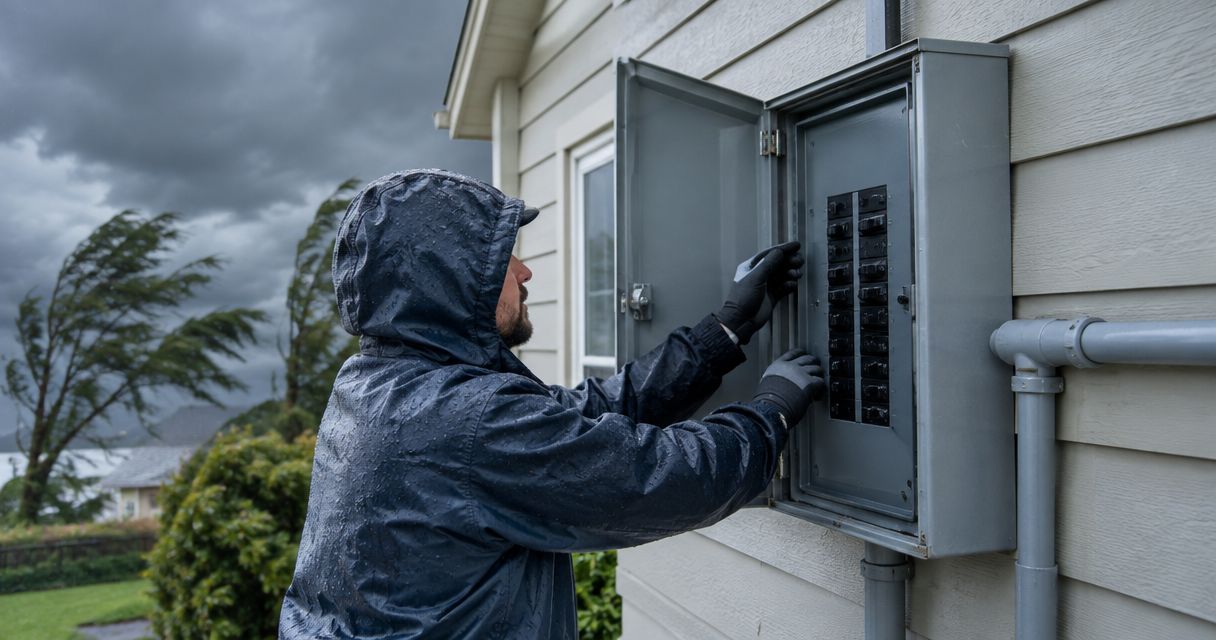
Every battery backup system, whether it's a standby generator or a battery storage unit, ties into your main panel or a subpanel. A panel that's undersized, outdated, or on a recalled brand won't pass inspection no matter which battery or generator you pick.
- Confirm your panel's amperage rating — 100-amp panels are common in NJ homes built before the 1990s and often can't support added backup load
- Check for Federal Pacific or Zinsco panel labels, both of which need replacement before any backup system installation
- Count your existing circuits and note how many are already at capacity
- Look for signs of overheating: discoloration, a burning smell, or a panel that's warm to the touch
- Read how to prepare your home electrical system for a generator before scheduling any backup installation quote
Step 2: Decide between a generator, a battery system, or both
Once the panel is confirmed capable, the real decision is what kind of backup you actually need. A homeowner running a well pump and medical equipment has different requirements than someone who just wants the Wi-Fi and refrigerator to survive a four-hour outage.
- List your must-run circuits: sump pump, refrigerator, medical devices, home office equipment
- Decide if you need whole-house coverage or just essential-circuit coverage
- Weigh noise and fuel storage tolerance — generators need a fuel line or propane tank, battery systems don't
- Factor in how often your area actually loses power versus how long outages typically last
This is the point where a faster path matters more than a DIY comparison spreadsheet. Spartan Home Pros installs whole-house standby generators across Central NJ and can walk through whole-house generator installation for NJ homeowners as the baseline option before layering in battery storage as a secondary system.
Step 3: Size the system to your real electrical load
Oversizing wastes money. Undersizing means the system trips or shuts down mid-outage when you need it most.
- Add up the running wattage of every must-run appliance, not just the startup surge
- Separate "nice to have" circuits from "can't lose power" circuits
- Account for HVAC start-up load if you want heating or cooling to stay on
- Get a load calculation done by a licensed electrician, not a generic online sizing tool
Step 4: Confirm permits and utility rules before installation day
Both generator and battery storage installations in NJ require electrical permits, and battery systems that tie back into the grid may need an interconnection agreement with PSE&G or JCP&L.
- Verify your municipality's permit requirements for standby generators or battery storage
- Ask whether your system needs a utility interconnection agreement if it can export power
- Confirm setback distances for generator placement from windows and property lines
- Keep documentation of the permit and final inspection for insurance purposes
Step 5: Install the transfer switch or interconnection equipment
This is the step that actually makes backup power automatic instead of something you manage manually during a blackout.
- An automatic transfer switch senses a grid outage and switches your panel to backup power within seconds
- A manual transfer switch requires you to flip it yourself, which is cheaper but slower during an actual emergency
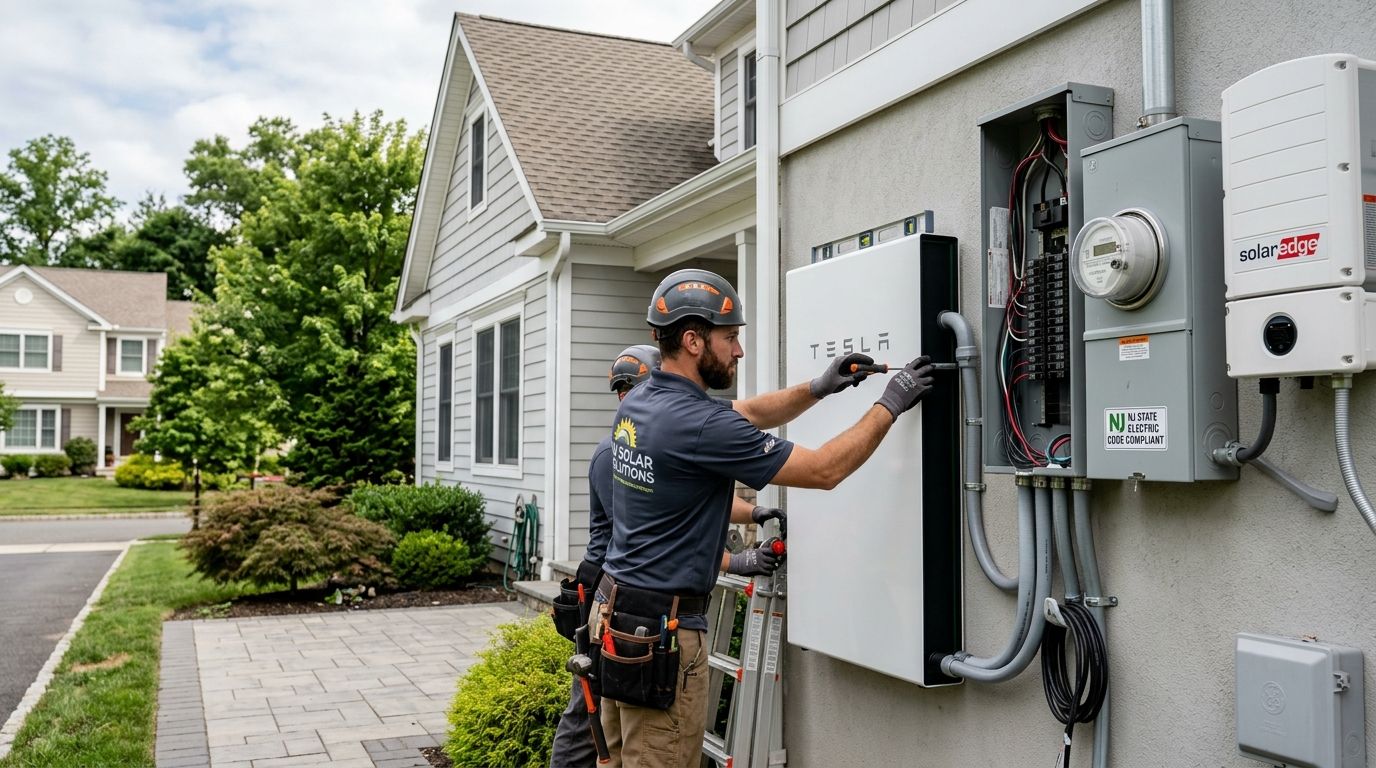
- Battery storage systems use an inverter and gateway instead of a traditional transfer switch
- Have the switch installed on a dedicated circuit separate from your main feed
“If your panel is on the Zinsco or Federal Pacific recall list, no backup system installer should touch it until it's replaced.”
Step 6: Test and maintain the system after installation
A backup system that hasn't been tested since installation is a system you can't trust during the next storm.
- Run a self-test cycle monthly if your generator has automatic testing built in
- Check battery storage state-of-charge settings seasonally
- Have fuel lines and connections inspected annually for generators
- Keep the transfer switch area clear of debris and snow
Comparing backup power options for NJ homeowners
| Option | Best For | How Backup Works | Key Limitation |
|---|---|---|---|
| Whole-house standby generator | Homeowners wanting unlimited runtime during multi-day outages | Runs on natural gas or propane, starts automatically through a transfer switch | Needs a fuel line and outdoor space; produces noise and exhaust |
| Home battery storage system | Homeowners wanting silent, indoor backup for select circuits | Stores grid or solar power, discharges through an inverter | Backup time is capped by battery capacity and load |
| Portable generator | Budget-conscious homeowners who accept manual setup | Plugged in during an outage, sized to a few circuits | Requires manual start and refueling, needs proper ventilation |
| Hybrid (generator plus battery) | Homeowners wanting instant coverage plus long-runtime backup | Battery covers the first stretch, generator covers the rest | More complex sizing and permitting than a single system |
Verdict: for most Central NJ homes with an aging panel, a whole-house standby generator paired with a panel upgrade solves the outage problem faster and more completely than battery storage alone. Battery systems make sense as a supplement for homeowners who already have solar or want silent backup for a handful of circuits.
Common mistakes NJ homeowners make with battery backup installation
- Buying the system before checking the panel. A battery or generator quote means nothing if the 100-amp panel underneath it can't carry the load.
- Skipping the permit. Unpermitted backup installations can complicate a home sale and void manufacturer warranties.
- Undersizing for a well pump or medical equipment. These loads spike far higher at startup than homeowners expect.
- Ignoring maintenance until the next outage. A generator that hasn't run a self-test in a year is a coin flip during a storm.
- Assuming every contractor pulls the permit and inspects the same way. Ask directly whether the crew installing your system is the same one that shows up for the inspection, or whether the work gets subcontracted out.
Get your panel checked first
Licensed NJ electricians confirm what your panel can carry before you buy a backup system.
FAQ
What's the best home battery backup system for a NJ home in 2026?
For most Central NJ homes, a whole-house standby generator gives the most reliable coverage during the multi-day outages the region has seen after storms like Ida and Sandy. Battery storage works best as a quiet supplement for a handful of essential circuits.
Is a whole-house generator better than a battery storage system in New Jersey?
A whole-house generator provides unlimited runtime as long as fuel supply lasts, while a battery system is capped by its stored capacity. Homeowners who've lost power for several days in past storms generally get more reliable coverage from a generator.
Do I need a permit for battery backup installation in NJ?
Yes, both generator and battery storage installations require an electrical permit in New Jersey municipalities. Battery systems that can export power back to the grid may also need a utility interconnection agreement with PSE&G or JCP&L.
Can my current electrical panel handle a battery backup system?
It depends on your panel's age and amperage — many NJ homes built before the 1990s have 100-amp panels that need an upgrade first. A licensed electrician can confirm this with a load calculation before any backup system is quoted.
How long does home battery backup installation take?
Installation timing depends on whether a panel upgrade is needed first, plus permit and inspection scheduling with your municipality. A straightforward transfer switch and generator hookup on an adequate panel moves faster than a job requiring panel replacement.
Does PSE&G or JCP&L allow battery storage interconnection?
Both utilities have interconnection processes for battery storage systems capable of exporting power to the grid. Your electrician handles the interconnection paperwork alongside the standard electrical permit.
What's the difference between a transfer switch and a battery backup system?
A transfer switch is the hardware that automatically shifts your panel from grid power to a generator during an outage. A battery backup system stores its own power and discharges it through an inverter instead of relying on a fuel-burning generator.
Should I replace my panel before or after installing backup power?
Before. Installing a generator or battery system on an undersized or recalled panel like Federal Pacific or Zinsco means the work won't pass inspection and may need to be redone once the panel is replaced.
One last thing
The single biggest delay in NJ battery backup installations isn't the generator or battery order — it's discovering mid-installation that the panel is a Federal Pacific or Zinsco unit that has to come out first. Get the panel checked in 2026 before you get quotes on backup systems, not after.