Multi-zone NJ homeowners running two or three HVAC systems under one roof need a thermostat plan built around the zone panel, not one smart thermostat bolted onto a control board designed for something else. This guide covers how homeowners in Monmouth, Middlesex, Somerset, and Union counties should approach smart thermostat multi zone installation for 2026, from wiring checks to picking equipment that actually talks to a multi-zone system.
- Smart thermostat multi zone installation works best when each zone gets its own compatible unit, not one shared thermostat.
- Multi-zone NJ homes with older zone panels or dated wiring often need an electrical check before thermostats go in.
- Ecobee and Honeywell T6 Pro handle multi-zone control boards; confirm C-wire and zone panel compatibility before buying.
- DIY works for single-zone swaps; homes with 3+ zones benefit from a licensed technician balancing airflow after install.
- Spartan Home Pros installs and calibrates multi-zone smart thermostats across Central New Jersey.
Why smart thermostat multi zone installation matters for multi-zone NJ homes
A single-zone thermostat swap is a fifteen-minute job. A multi-zone install is not, because every zone has its own damper, its own control wiring, and often its own compressor stage. Get one zone's wiring wrong and you don't just lose a smart feature — you can knock an entire floor off heat or cool.
Central New Jersey adds a second wrinkle: a lot of multi-zone setups here came from additions bolted onto homes built decades ago. The best smart thermostats for the New Jersey climate handle humid summers and long heating seasons fine, but they still need a compatible zone panel and enough electrical capacity behind it. A house with a 1980s zone board and a newer addition zone is a common mismatch, and it's the number one reason multi-zone smart thermostat installs stall out mid-project in 2026.
Verdict: a multi-zone smart thermostat install succeeds or fails on the wiring and zone panel check done before any thermostat is purchased, not on the thermostat brand.
Map every zone and its equipment before buying anything
Start with a zone-by-zone inventory. Skipping this step is the single biggest cause of returned thermostats.
- List each zone (first floor, second floor, basement, addition) and which equipment serves it
- Note whether each zone runs a furnace, heat pump, or air handler
- Check the zone control panel brand and model number, usually mounted near the furnace
- Confirm how many stages each zone runs (single-stage vs. two-stage vs. variable)
- Photograph the existing thermostat wiring at each zone before removing anything
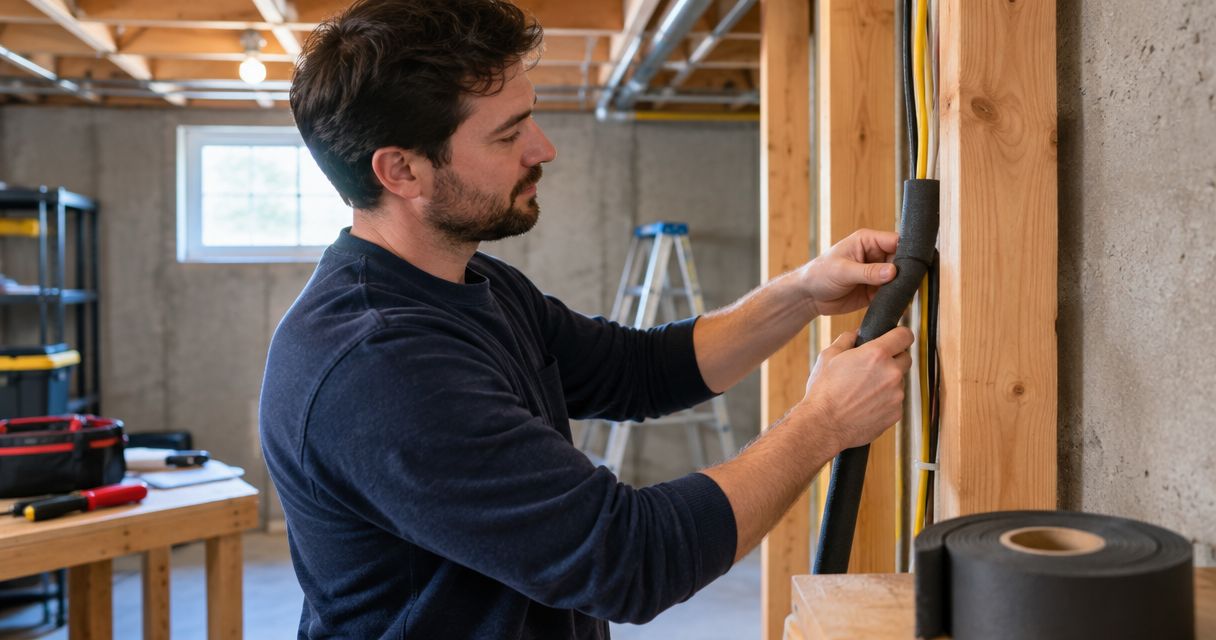
Check for a C-wire at each thermostat location
Most smart thermostats need a common wire (C-wire) for continuous power. Older multi-zone systems in NJ homes built before the 2000s frequently don't have one run to every zone.
- Pull the existing thermostat off the wall and count the wires in the bundle
- Look for a wire labeled C or blue; if it's missing, note which zones lack it
- Decide whether to run new wire, use a power extender kit, or add a common wire adapter at the air handler
- Test the transformer at the furnace or air handler to confirm it can supply a C-wire signal
- Flag any zone where wiring runs through finished walls, since that changes the labor involved
Match the thermostat to your zone control panel
This is where most DIY multi-zone jobs go wrong. A thermostat that's fully compatible with a standard forced-air system can still be unsupported by a proprietary zone board.
- Cross-reference the thermostat manufacturer's compatibility list against your exact zone panel model
- Check whether the zone panel uses standard 24V staging or a proprietary communicating protocol
- Confirm the thermostat supports multi-stage heating and cooling if your equipment is two-stage or higher
- Ask the manufacturer's support line directly if the compatibility checker doesn't list your zone board
- Compare notes against the best heat pump systems for NJ winters if any zone runs a heat pump, since heat pump staging adds another compatibility layer
Address panel capacity issues before you touch the thermostat
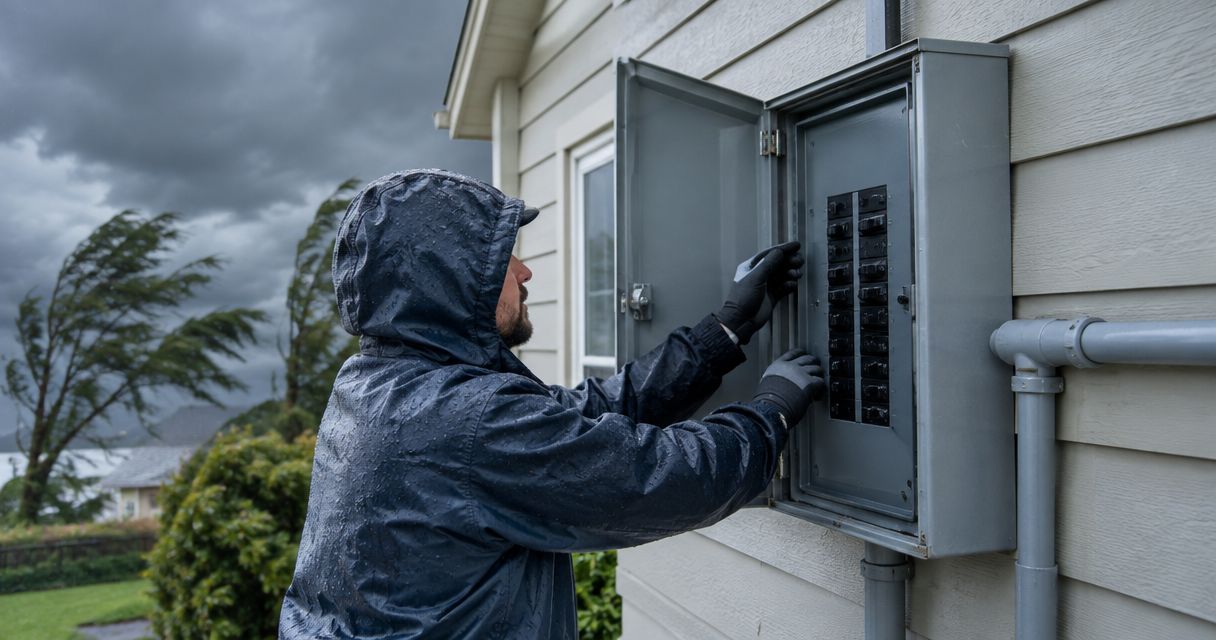
Adding smart thermostats rarely draws much power on its own, but multi-zone homes that have added zones over the years — a finished basement here, an addition there — often also added circuits without ever upgrading the main panel. If you're already opening up wiring at the furnace, this is the moment to check.
- Pull the panel's amperage rating and compare it against total connected load
- Check for double-tapped breakers or an overcrowded panel with no open slots
- Confirm the panel isn't a Federal Pacific or Zinsco model, both flagged as fire risks by insurers
- Ask whether the last electrical inspection is more than 10 years old
- Review how to know if your electrical panel needs an upgrade if any of the above raises a flag
A 100-amp panel from the 1990s serving a home with three HVAC zones, a finished basement, and an EV charger is already stretched thin — smart thermostats are not the load that breaks it, but they're often the project that reveals it.
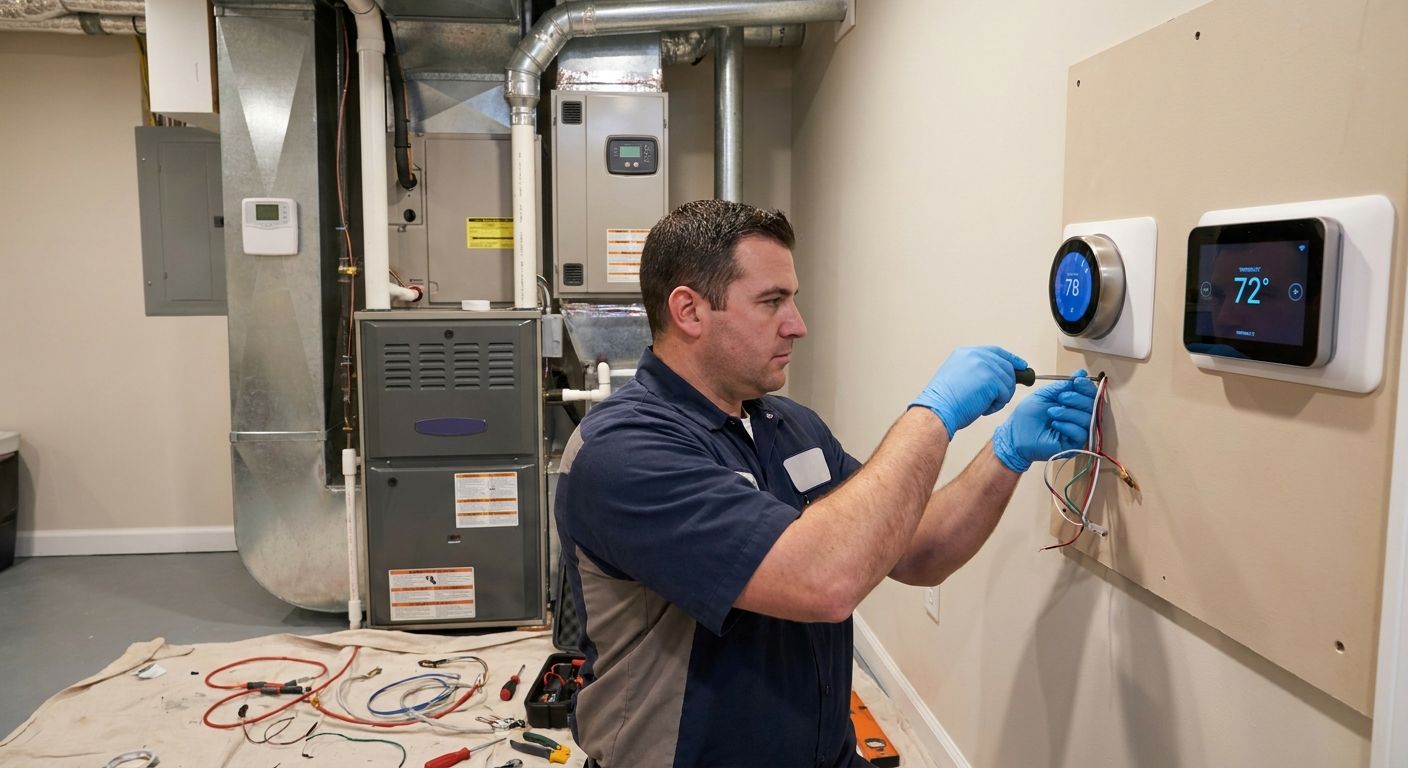
Install and wire one thermostat per zone
Once compatibility and wiring are confirmed, install each thermostat to its own zone control terminals — never share one thermostat's wiring across two zones.
- Shut power to the air handler or furnace at the breaker before disconnecting wires
- Label every wire with its terminal before removing the old thermostat
- Mount the new thermostat base level, away from supply vents and direct sunlight
- Connect wires to the matching terminals per the zone panel's wiring diagram, not the thermostat's generic diagram
- Restore power and confirm the thermostat powers on and communicates with its assigned zone only
Calibrate and balance airflow across zones
A new thermostat doesn't fix an unbalanced system. If one zone has always run hotter or colder than the rest, balance the dampers now.
- Run each zone independently and check supply air temperature at the nearest register
- Adjust manual dampers in the ductwork to even out airflow between zones
- Set temperature differentials in the thermostat app so zones don't fight each other on shared equipment
- Verify the zone panel isn't calling for two zones simultaneously when only one should run
- Recheck balance after a week of normal use, since damper settings often need a second pass
Set schedules and connect to a hub or app
The manual way works fine here — most modern thermostats connect over home Wi-Fi with no separate hub required.
- Connect each zone's thermostat to the home network individually
- Set separate schedules per zone based on actual occupancy patterns
- Group zones in the app by floor or area for faster adjustments
- Enable geofencing only if every household member's phone location is reliable
- Skip third-party hubs unless the thermostat brand specifically requires one
For households that don't want to run the wiring check, compatibility match, and balancing pass themselves, a licensed technician can do the full multi-zone smart thermostat installation in one visit — that's the faster path once the DIY steps above start looking like more electrical work than expected.
Test through one full heating and cooling cycle
Don't call the job done after installation. Confirm performance across an actual cycle.
- Run heat mode for a full cycle and confirm every zone reaches its setpoint
- Switch to cooling mode and repeat the same check
- Watch for any zone that short-cycles or never satisfies its setpoint
- Check the app for error codes or lost communication between thermostat and zone panel
- Reconfirm C-wire connections if any zone loses power intermittently
Comparing your options for multi-zone smart thermostat installation
| Option | Best For | Key Limitation | Verdict |
|---|---|---|---|
| DIY single-thermostat swap | Homes with only one HVAC zone | Cannot independently control multiple zones | Skip for multi-zone homes |
| DIY multi-zone kit (power extender kits) | Handy homeowners with 2 compatible zones and existing wiring | Unreliable on proprietary zone boards; can void thermostat warranty | Hold until compatibility is confirmed |
| Professional multi-zone installation | Homes with 3+ zones, older panels, or additions | Requires scheduling a licensed technician | Buy |
| Zone panel replacement plus new thermostats | Homes with a failing or unsupported zone board | More downtime and more electrical work involved | Wait until the panel fails or before a larger renovation |
Get your multi-zone system checked
Zone panel and wiring review before you buy a single thermostat.
Common mistakes multi-zone NJ homeowners make
- Buying one thermostat and expecting it to run three zones — most smart thermostats control a single zone; multi-zone systems need one thermostat per zone or a compatible multi-zone-capable model
- Ignoring zone panel compatibility — installing a popular thermostat brand on a proprietary zone board that doesn't support it, then discovering the return window has closed
- Skipping the C-wire check — running an unsupported power extender kit on a zone system that already has voltage issues, causing random resets
- Not accounting for panel capacity — adding a fourth zone, an EV charger, and smart thermostats all in the same year without ever checking whether the panel can handle it
- Skipping the damper rebalance — installing new thermostats but never rechecking airflow, so the same zone that ran hot in 2025 still runs hot in 2026
FAQ
What's the best smart thermostat for a multi-zone NJ home?
There's no single best model across every multi-zone system — the deciding factor is whether the thermostat's compatibility list explicitly supports your zone panel brand. Ecobee and Honeywell's T6 Pro line both support a wide range of multi-zone control boards, but confirm the exact model before buying.
Can I install a smart thermostat myself on a multi-zone system?
Yes, if your zones already have a C-wire and your zone panel is on the thermostat's official compatibility list. Homes with older or proprietary zone boards, or missing C-wires, usually need an electrician to avoid damaging the control board.
Do multi-zone homes need one thermostat per zone?
Yes, each zone needs its own thermostat wired to its own zone control terminals. Sharing one thermostat's wiring across two zones causes both zones to run off the same signal, defeating the purpose of having zones.
How much does smart thermostat multi zone installation cost?
Cost depends on the number of zones, whether new wiring is needed, and whether the electrical panel needs attention first. Get a quote after a wiring and zone panel review rather than pricing off a single-zone estimate.
Is Ecobee or Honeywell better for multi-zone systems?
Both work well on standard 24V zone boards; the difference usually comes down to which one explicitly lists your specific zone panel model as supported. Check the manufacturer's compatibility tool before choosing either.
Does a multi-zone smart thermostat need a C-wire?
Most smart thermostats need a C-wire for continuous power, and multi-zone systems built before the 2000s often don't have one run to every zone. A power extender kit or new wire run solves this in most cases.
Will a smart thermostat work with an older zone panel in Central NJ homes?
Sometimes, but proprietary or discontinued zone panels frequently aren't supported by newer smart thermostats. Confirm compatibility directly with the thermostat manufacturer before purchasing, not just by checking the generic wiring diagram.
How long does multi-zone smart thermostat installation take?
A single zone typically takes a couple of hours once wiring is confirmed compatible. A full multi-zone home with wiring issues or panel work involved takes longer, usually spread across a longer visit.
One last thing
The zone that's run too hot or too cold for years isn't a thermostat problem — it's almost always a damper balance issue that predates whatever thermostat was installed. Swapping in a smart thermostat in 2026 without rebalancing the dampers just gives that same imbalance a nicer app to complain through.