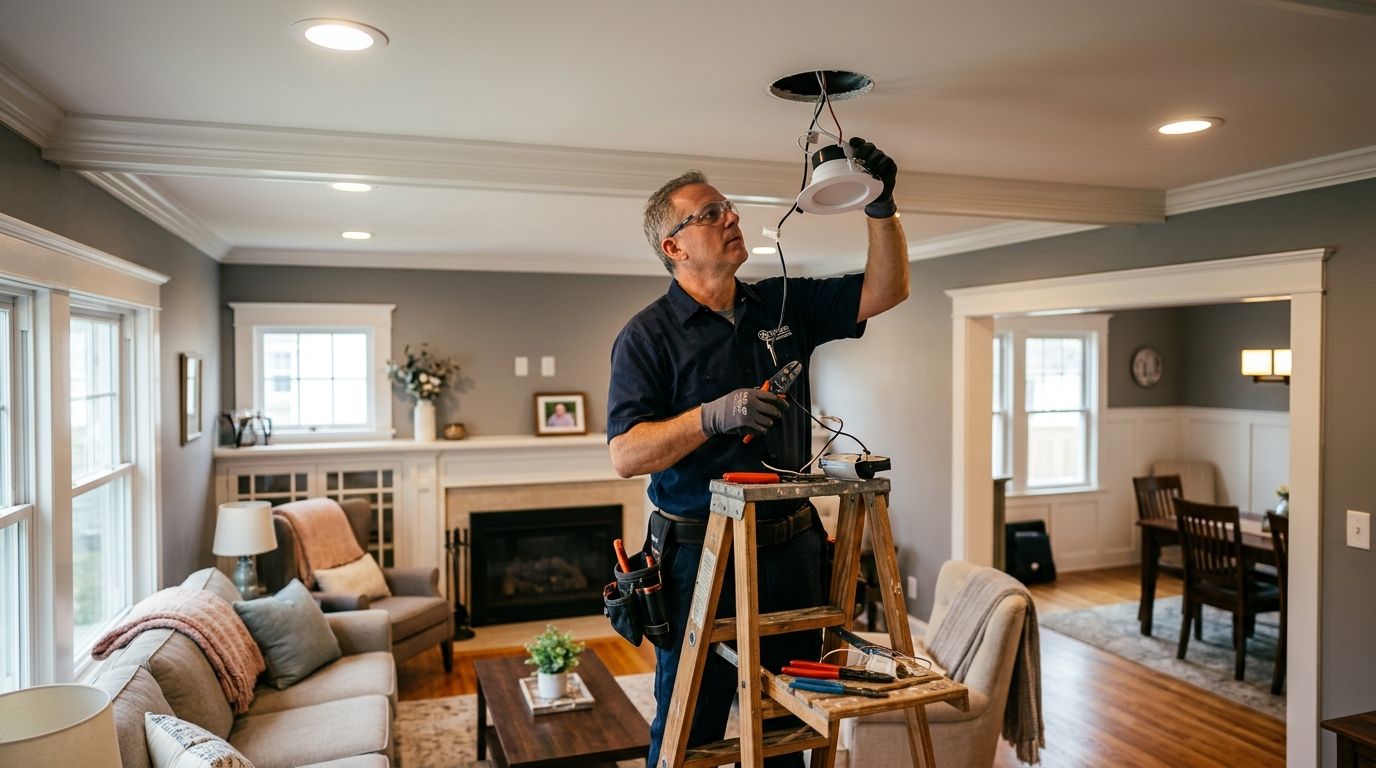
Recessed lighting installation in Roselle, NJ replaces surface fixtures with flush, ceiling-mounted cans to brighten a room without eating into headroom — the right call for the 8-foot ceilings common in Roselle's ranch and cape-style homes built in the 1950s and 1960s. Homeowners here deal with a specific mix of low ceiling clearance, older wiring behind plaster or drywall, and finished basements that were never wired for lighting when the house was built.
- Recessed lighting installation in Roselle NJ needs IC-rated cans in most attic-adjacent ceilings — non-IC fixtures overheat when insulation touches them.
- Spacing formula: divide ceiling height by 2 for general lighting, so an 8-foot ceiling calls for cans roughly 4 feet apart.
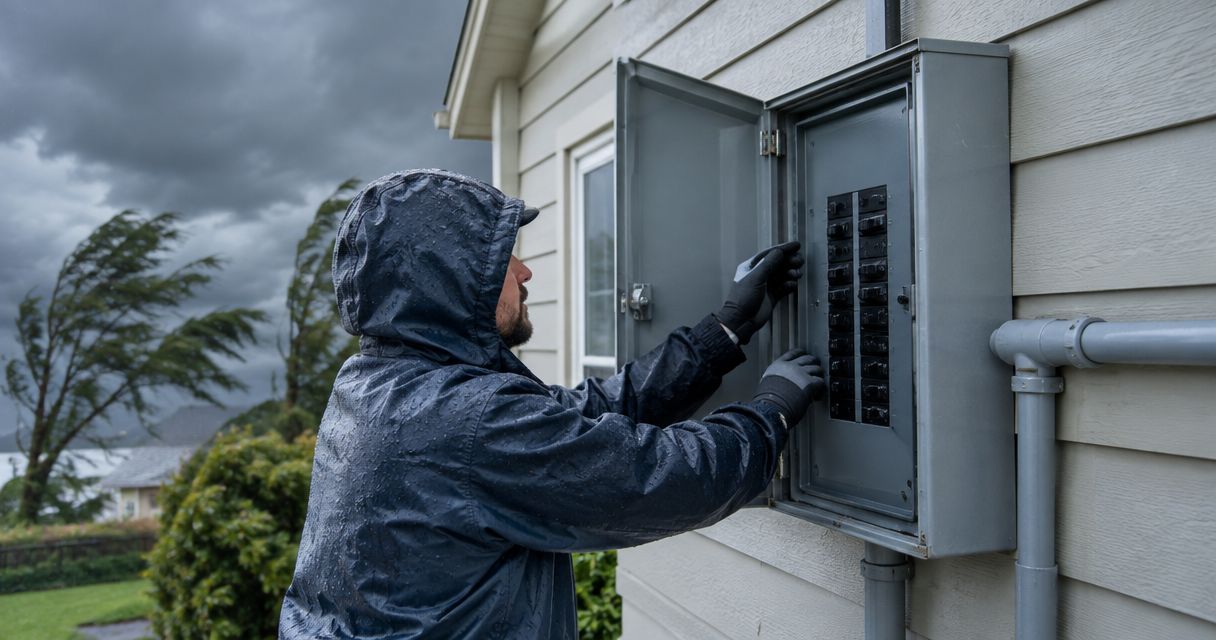
- Homes built before 1970 in Roselle often carry undersized panels — adding a lighting circuit can push a 100-amp service past safe capacity.
- Licensed electricians pull a permit for new circuits; a plug-and-play retrofit kit on an existing circuit usually does not need one.
- Spartan Home Pros installs recessed lighting for Roselle homeowners and checks panel capacity as part of the same visit.
Why recessed lighting matters for Roselle NJ homeowners
Most Roselle housing stock predates 1975, and a lot of it still runs on the original electrical service. Kitchens and basements in these homes were built around one or two ceiling fixtures, not a lit grid, which means a recessed lighting installation usually means new circuit runs, not just swapping a bulb.
The payoff is real: recessed cans eliminate the shadows a single center fixture throws across countertops and stairwells, and they clear the 7-foot headroom that a lot of Roselle basements are stuck with. The tradeoff is that older homes need an electrician to check the panel and the attic before a single hole gets cut.
How to plan and install recessed lighting the right way
Map your layout before you touch a drill
Get the spacing right before anything else — redoing a hole in drywall or a finished ceiling costs more than getting it right the first time.
- Use the ceiling-height-divided-by-two rule: an 8-foot ceiling wants cans roughly 4 feet apart for even general lighting.
- Pull fixtures 2 to 3 feet off walls to avoid a dark band along the perimeter.
- Sketch joist direction first — in 1950s and 1960s Roselle construction, joists usually run parallel to the shorter wall.
- Check the full layout guide for any room shape before finalizing hole locations.
- Mark switch-leg locations separately from the can locations so wiring runs don't cross unnecessarily.
Check your attic access and ceiling type
What's above the ceiling determines which fixture you're legally allowed to install.
- IC-rated (insulation contact) housings are required anywhere insulation touches or surrounds the can — most Roselle attics qualify.
- Non-IC fixtures need 3 inches of clearance from insulation on all sides, which is rare in a retrofit attic.
- New-construction housings go in during framing; remodel housings are built for installing through existing drywall from below.
- Airtight-rated cans matter in Roselle winters — a non-airtight can pumps conditioned air straight into the attic.
- Basement ceilings without attic access above need remodel-style housings installed from the room side.
Test your existing circuit's capacity
Adding four to eight new fixtures on an existing lighting circuit is one of the more common overloads electricians find in Roselle homes.
- Count existing loads on the circuit before adding fixtures — outlets, existing lights, and any dedicated appliance loads.
- LED recessed fixtures draw far less than the halogen cans they're replacing, which sometimes creates headroom on an old circuit.
- Homes still running a 100-amp panel from the original build often have little margin left; check whether your panel needs an upgrade before adding a new circuit.
- A dedicated circuit for a kitchen or basement lighting run avoids nuisance breaker trips down the line.
- Any new circuit requires a permit pull and inspection under the NJ Uniform Construction Code — this isn't optional paperwork, it's how the work gets signed off.
Choose fixture size and trim style
Can size drives both the light spread and how visible the fixture is once installed.
- 4-inch cans suit tight spaces — closets, hallways, small basement rooms.
- 6-inch cans are the standard for kitchens, living rooms, and finished basements with normal ceiling heights.
- Baffle trims cut glare; reflector trims throw more lumens for task areas like a kitchen counter.
- Adjustable/gimbal trims work for accent lighting angled toward art or a fireplace wall.
- Color temperature matters more than most homeowners expect — 2700K reads warm and residential, 4000K reads closer to commercial.
Wire and mount the fixtures
This is the step where a licensed electrician earns the fee — code compliance isn't optional once a wall is opened.
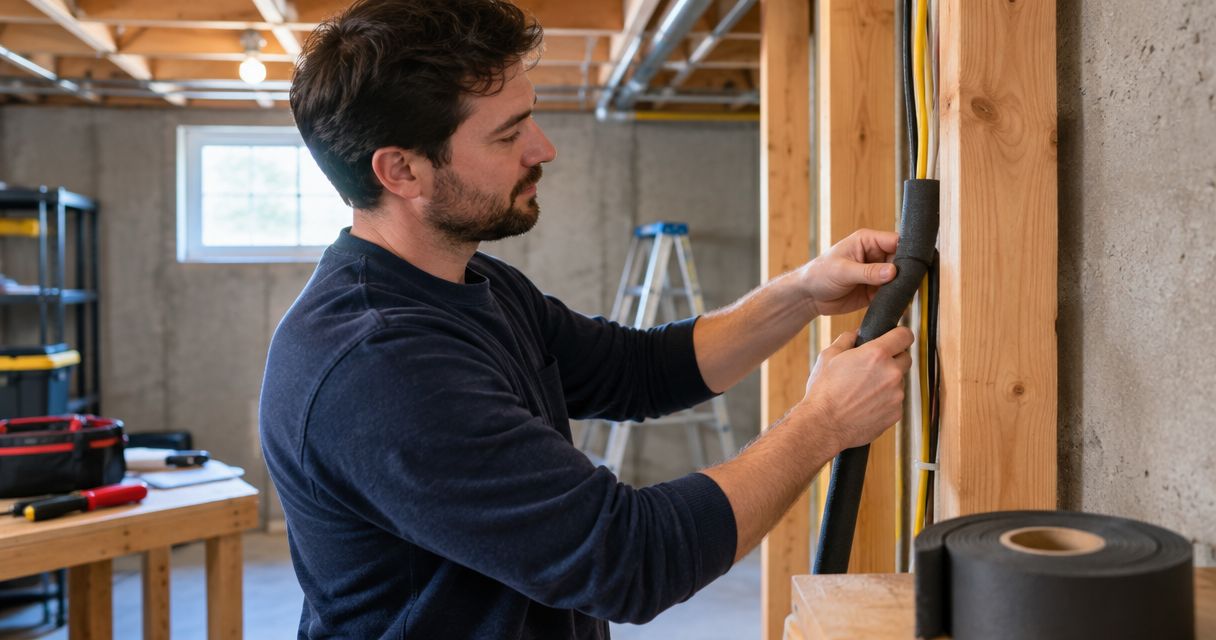
- Cable runs need proper stapling and clearance from ductwork or plumbing already in the joist bay.
- Junction boxes stay accessible — never buried behind drywall with no access panel.
- Dimmer compatibility has to be confirmed at purchase — not every LED recessed fixture plays well with every dimmer switch.
- Grounding and box fill calculations follow NEC requirements, not guesswork.
- Final connections get tested for continuity before drywall or trim goes back up.
Get the work inspected
A permit means a New Jersey electrical inspector signs off on the finished work — skipping this step creates problems at resale.
- Rough-in inspection happens before insulation or drywall closes up the wiring.
- Final inspection confirms fixtures, trims, and switch operation.
- Keep the inspection paperwork with your home records — buyers' attorneys ask for it during a sale.
- Uninspected electrical work is a disclosed defect in most NJ real estate transactions.
Get your Roselle home evaluated
A licensed electrician checks your panel, attic access, and layout in one visit.
Comparison: your installation options
| Option | Best for | Key limitation |
|---|---|---|
| Plug-in retrofit LED kit on existing circuit | A single room with light current load and no ceiling opening needed | Doesn't add circuit capacity; overloads an already-full circuit |
| General handyman install | Simple fixture swaps with no new wiring | Not licensed to pull a permit or open new circuits in NJ |
| Licensed electrician (Spartan Home Pros) | Full-room layouts, new circuits, finished basements, kitchens | Requires scheduling a site visit before work starts |
| Whole-house lighting contractor bundle | New construction or full-gut renovations | Overkill for a single-room retrofit |
Verdict: a licensed electrician is the only option that covers permit, panel capacity, and code compliance in one job — the retrofit kit and handyman routes both skip at least one of those.
Common mistakes Roselle homeowners make
- Assuming the attic is insulation-free. Older Roselle homes have been re-insulated over the decades; skipping the IC-rated check leads to a fire code violation, not just an inspection failure.
- Overspacing cans on a low ceiling. An 8-foot ceiling with cans 6-7 feet apart leaves dark gaps — the 4-foot rule exists for a reason.
- Ignoring the panel until the breaker trips. A finished basement lighting project is a common trigger for discovering a 100-amp panel has no room left.
- Skipping the permit to save time. NJ inspectors and future buyers both check for this — an unpermitted circuit is a liability at resale, not a shortcut.
- Buying fixtures before confirming dimmer compatibility. Flicker and buzz on dimmed LED cans is almost always a mismatch between the dimmer and the driver, not a defective fixture.
“If the attic above your ceiling has insulation touching the fixture location, a non-IC-rated can is a fire code violation, not a style choice.”
FAQ
Do I need a permit for recessed lighting installation in Roselle NJ?
Yes, if the work adds a new circuit or requires opening walls or ceilings for new wiring. A simple fixture swap on an existing circuit sometimes doesn't require one, but a licensed electrician confirms this before work starts.
Can my 100-amp panel handle new recessed lighting circuits?
It depends on existing load. Homes built before 1975 in Roselle often have little spare capacity, so an electrician checks the panel before adding a dedicated circuit for lighting.
Are IC-rated cans required in every Roselle attic?
IC-rated housings are required anywhere insulation touches or surrounds the fixture, which describes most attic-adjacent ceilings in Roselle. Non-IC fixtures need 3 inches of clearance on all sides, which most retrofit attics don't have.
How far apart should recessed lights be spaced?
For general lighting, divide the ceiling height by two. An 8-foot ceiling, the standard in most Roselle homes, calls for cans spaced roughly 4 feet apart.
Can I install recessed lighting in a finished basement without attic access?
Yes, using remodel-style housings installed from the room side rather than from above. This is the standard approach for basements finished after the original build.
Why do my new LED recessed lights flicker on the dimmer?
Flicker on dimmed LED cans is almost always a mismatch between the dimmer switch and the LED driver, not a defective fixture. Confirm dimmer compatibility at purchase, not after installation.
Is a handyman allowed to install recessed lighting in New Jersey?
A handyman can handle simple fixture swaps on existing circuits, but licensed electrical work — new circuits, panel changes, permit pulls — requires a licensed electrician under NJ law.
How long does a recessed lighting installation take?
A single-room retrofit on an existing circuit typically finishes in one visit. Adding new circuits, upgrading the panel, or wiring a full basement adds time for rough-in and inspection scheduling.
One last thing
The detail most Roselle homeowners miss isn't the fixture choice — it's the attic insulation check. A can rated for insulation contact costs the same install time as one that isn't, but skipping that check is the single most common reason a recessed lighting job fails inspection in 2026.